

CONTACT US

PETITHAUSRC7155563
PetitHaus: Innovative housing solution that helps low/medium income earners access affordable, highly efficient qualitative living with convenience and unparalleled cost effectiveness.
Affordable Homeownership
SNEAK PEEK
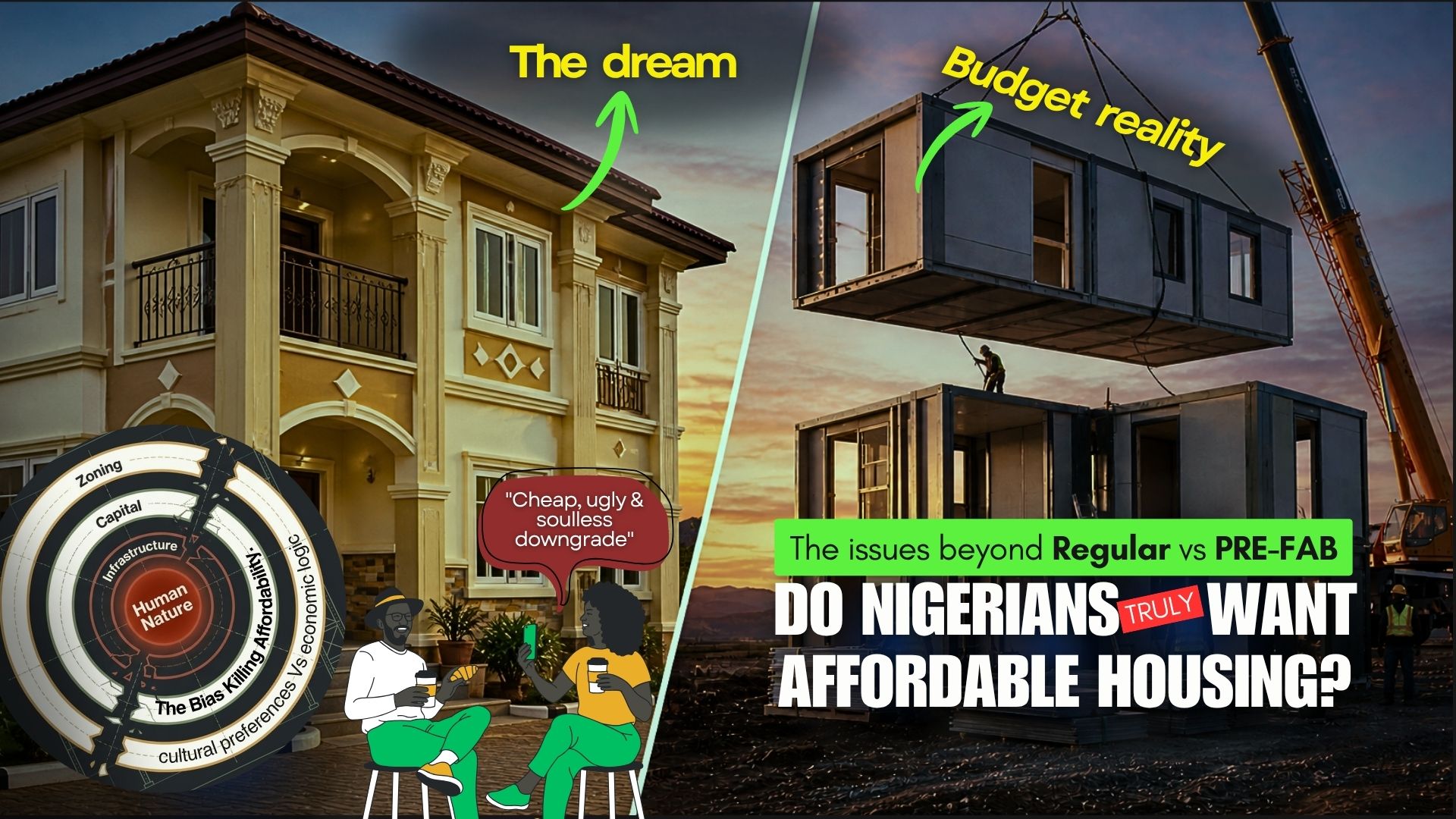
In addressing Nigeria’s housing crisis, a significant divide exists between what makes economic sense and what Nigerians actually want. In fact, it has given a bifocal meaning to affordability.
We want the government, architects, and engineers to build incredibly fast, affordable homes, kind of like they do in China. But at the same time, we completely reject the very construction methods that make that speed and affordability possible in the first place.
While prefab housing and innovative building technologies offer cost-effective, scalable solutions. On one hand, we’ve romanticised prefabricated housing for decades. In fact, many of us believe modular housing is the future of sustainable living… But on the other hand, we don't want to live in it. We agree that prefab is the answer, but only for others.
This is why the real bottleneck is not infrastructure or technology, but individual preferences deeply rooted in culture and aspirations.
And to understand the implications of these preferences on the housing value chain, first, let's start with…
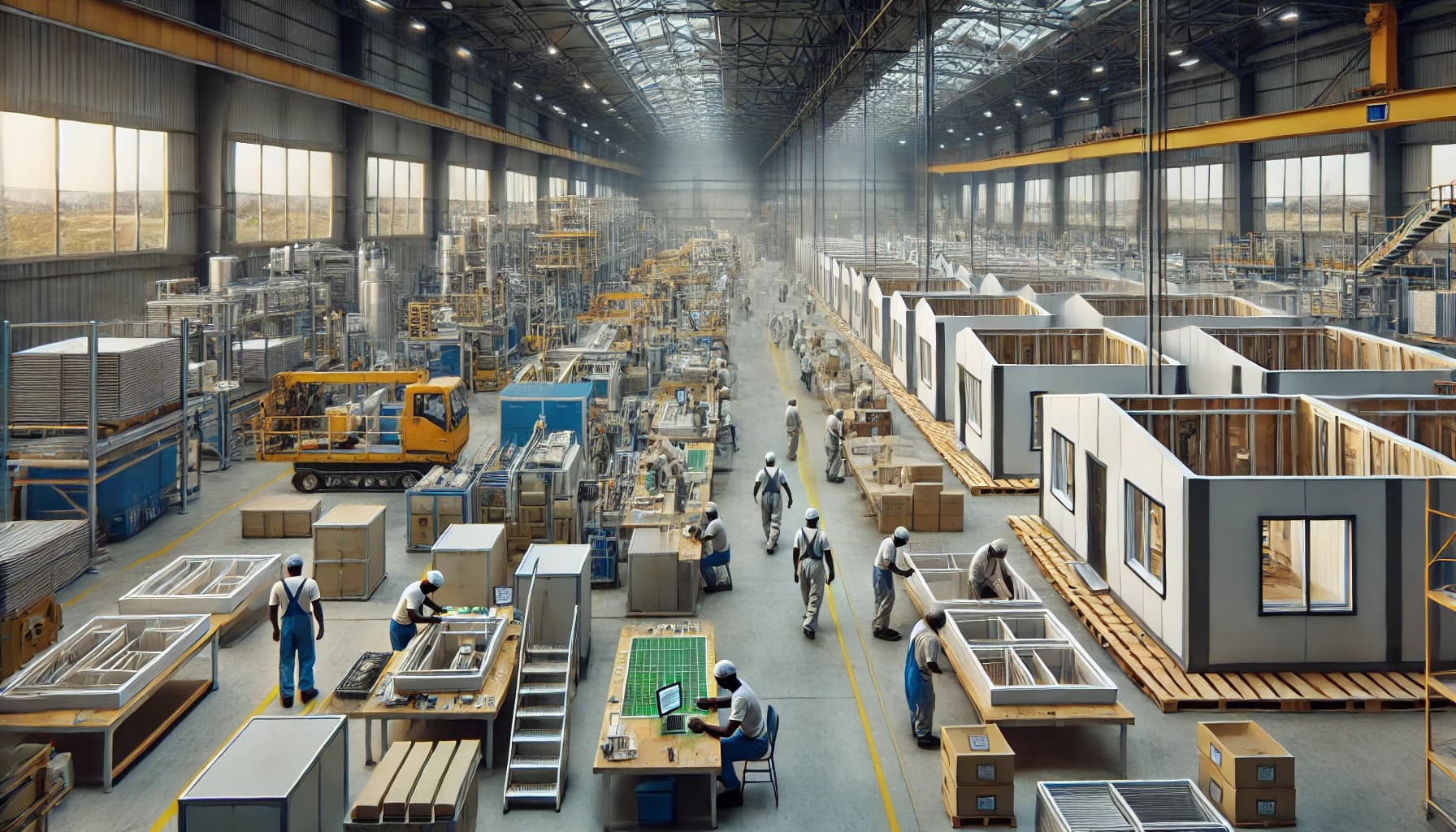
Prefab housing refers to the process of manufacturing building components in a factory setting, then transporting these parts to the construction site for assembly. This method contrasts with traditional on-site construction, where foundations are dug, concrete is poured, and materials are assembled piece by piece directly at the location.
Prefab is analogous to producing cars in parts (chassis, engine, upholstery) that are later assembled, allowing for efficient, scalable, and flexible building processes.
Its key advantages include:
Components can be produced for various building types. Ranging from high-rise apartments to rural single-family homes. This flexibility allows for:
Factory-controlled production environments mitigate weather-related delays and optimise resource use. It ensures consistency, reduces waste, lowers energy consumption, and can ultimately reduce costs.
It shortens construction timelines drastically; whole neighbourhoods can be built in weeks, saving money and energy.
Perhaps the most compelling feature is the ability to build incrementally. For example, a homeowner could initially construct a single floor and expand vertically over time as finances improve, without requiring demolition or major disruptions.
This incremental approach aligns well with the financial realities of many Nigerians and makes housing more accessible for low- and middle-income earners.
Despite the clear advantages, prefab housing has not been widely adopted or recommended by Nigerian architects, engineers, and developers.
This is not due to a lack of professional competence. Nigerian experts are globally recognised for their skills and achievements. The core reasons lie in systemic challenges rather than individual capability.
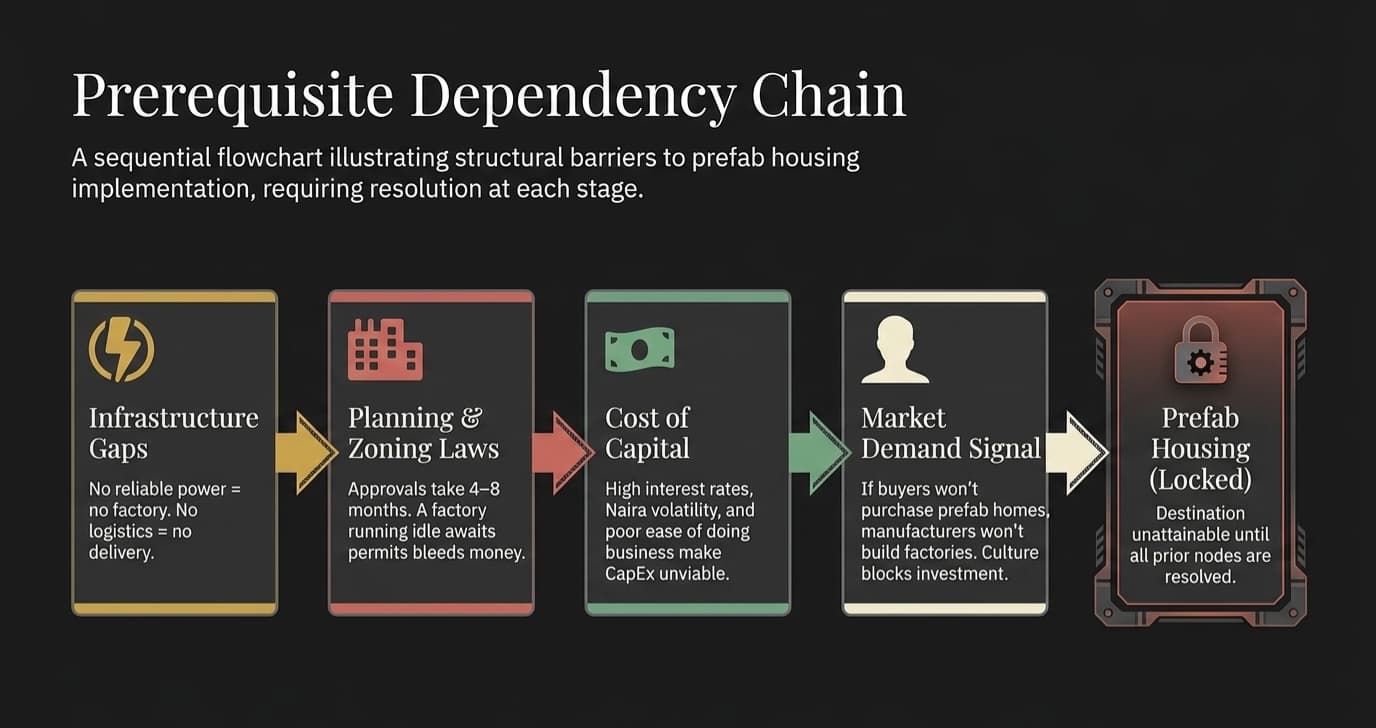
Nigeria faces a staggering housing shortage estimated at 25 to 28 million units. The decision to adopt prefab technology significantly influences whether this gap narrows or widens.
The economic benefits of prefab adoption include enabling government, the private sector, and individuals to produce housing more affordably and efficiently. This would stimulate the housing market, improve accessibility, and potentially stabilise housing prices.
Ultimately, housing markets are driven not only by economics or technology but also by consumer wants and cultural preferences. In Nigeria, these individual choices are the foremost determinant of market success or failure. Important cultural and market dynamics include:
Many Nigerians associate unfamiliar or unconventional building methods and materials (including prefab) with low quality or "cheapness," especially if these have not been socially validated by celebrities or the wealthy. This perception undermines demand despite prefab’s practical benefits.
There is a strong desire among Nigerians to own unique, custom-made homes that are status symbols. Standardised, modular housing is often perceived as uninspiring or temporary “boxes,” conflicting with aspirations for elaborate, well-crafted mansions.
Nigeria’s cash-and-carry economy means most housing transactions are upfront payments. Meanwhile, due to low incomes and limited access to credit, most Nigerians can not afford the upfront costs for housing, resulting in a higher preference for incremental, self-built housing.
While this aligns somewhat with prefab’s scalable construction, it challenges industrial manufacturing models that rely on operational efficiency and economies of scale.
Housing must reflect cultural identity, and Nigerians strongly prefer housing that reflects their cultural heritage and identity. Prefab manufacturers importing generic designs risk rejection unless they incorporate local craftsmanship, traditional finishes, and vernacular aesthetics. Successful prefab models must incorporate vernacular aesthetics, local materials, and craftsmanship.
Younger Nigerians (Gen Z) are redefining housing preferences, valuing flexibility, sustainability, mobility, and smarter investments such as co-ownership and short-term rentals. This group is more open to innovative housing models, but represents only a fraction of the total market, still actively dominated by the older generations who still prefer large mansions as status symbols.
.jpg)
To gain market acceptance, prefab housing must integrate traditional elements through collaborations with local artisans. This approach respects cultural identity and sustains the craftsmanship sector.
.jpg)
Modular homes should allow customisation that aligns with Nigerian lifestyles, traditions, and aesthetics, thereby bridging the gap between modern efficiency and cultural acceptance.
This debate is not about which is inherently superior but about balancing their respective strengths and weaknesses within Nigeria’s ecosystem.
.jpg)
The Nigerian housing crisis is not only constrained by technology or economics but also by the intersection of cultural preferences, systemic infrastructure deficits, and market dynamics. Prefab housing technology offers a promising solution characterised by flexibility, speed, and cost efficiency, particularly aligned with incremental building.
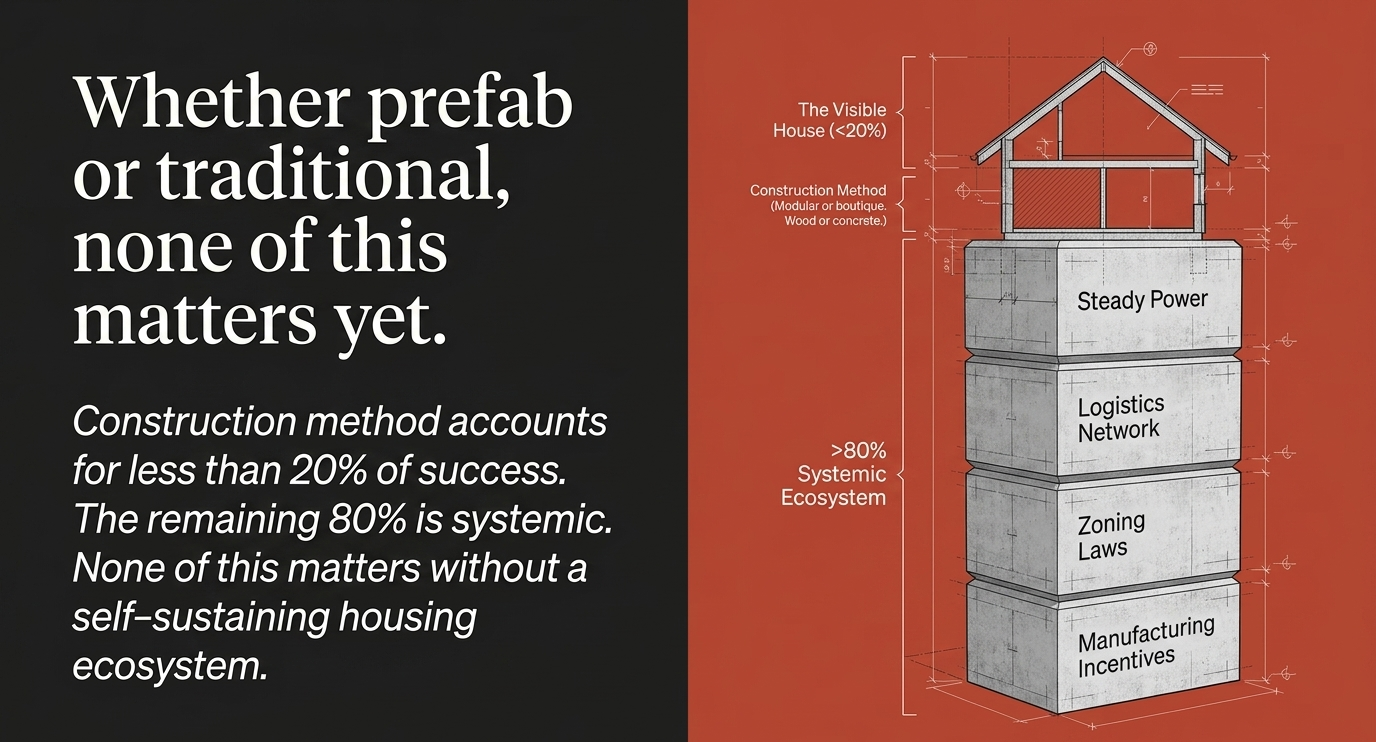
However, without the necessary ecosystem and cultural acceptance, its potential remains unrealised. To truly address Nigeria’s housing deficit, a multi-dimensional approach is needed.
In essence, the housing market’s success depends less on building methods, materials, or technology. Success requires the establishment of a self-sustaining ecosystem that empowers all stakeholders to participate in delivering affordable, quality homes. This systemic foundation will rely on:
01.

02.
Category
Discover insights into creating affordable homeownership with PetitHaus.




.avif)
.avif)